
renegade life
The Conversation
Through essays, reflections, and research, I explore the hidden ways outdated patterns shape our lives—and what becomes possible when we begin living from conscious choice instead.
These aren't articles about becoming a
new version of yourself.
They're invitations to remember
the version of you
that learned to hide in order to belong, achieve, succeed, or be loved — to give yourself permission to have what you want without working so damn hard to earn it.










What would you love to experience more often in your life?
What happens when you're so busy maintaining the life you've built that you feel like you're missing out on living it? I asked accomplished women. Here's what I heard.
What I learned from listening to accomplished women talk about the lives they've built, the weight they're carrying, and what they're longing for.

The Takeaways
Accomplished women are longing to enjoy the lives they've worked so hard to build. They want to feel more present, excited, at ease, and free to pursue what lights them up.
The weight of maintaining a meaningful life can feel like a relentless tug of war, especially when so much time and energy goes toward responsibilities without adequate reciprocity and support.
Resentment can reveal where time and energy are being consumed at the expense of the experiences longing to be enjoyed.
The patterns keeping women exhausted and resentful can change. As they loosen, she can reclaim energy and redirect it toward what matters most to her.
The goal is a life that feels as good as it looks. Reclaiming time, energy, and freedom means having more of yourself available to vividly enjoy the life you've built.
Over the past few weeks, I've been having conversations with accomplished women about the lives they've built, the responsibilities they're carrying, and what they wish could be different. I initiated these conversations because I wanted to hear directly from the women I'm here to serve: what life actually feels like for them right now, what they're wrestling with, what they've tried, and what they long for.
While their circumstances were different, a familiar pattern emerged. These women have worked hard to create lives they're proud of. They've built careers, families, relationships, businesses, and communities they care deeply about. But they're exhausted by what it takes to maintain those lives, frustrated by how much of their time and energy goes toward anticipating needs, managing responsibilities, accommodating others, and picking up the slack, often without receiving the same consideration, care, and support in return. They want more reciprocity and more room for themselves. And many have already spent considerable energy trying to make that happen.
What struck me most was how much these women feel they're missing out on,
and how deeply they long to enjoy the lives they've worked so hard to build.
They ache to feel more present with the people they love, more excitement about what's ahead, more at ease in the daily living in their own skin, and freer to pursue what lights them up. They can imagine how they'd love their lives to feel, but struggle to experience those feelings when so much of their time and energy is already committed to people and responsibilities they deeply value. They want to feel more vividly alive in the lives they already have.
As I listened, I kept coming back to the relentless tug of war between a life filled with things that matter and feeling the actual freedom to enjoy those things. When so much of your time and energy goes toward keeping that life running, often without the reciprocity and support you deserve, it's understandable that resentment begins to build. And that resentment can become particularly painful (unbearable) when you recognize what it's costing you: the pleasure, connection, ease, and excitement you long to experience more often, especially in moments you might otherwise enjoy. That resentment is pointing toward something important: It's the feeling showing her what she wants more of in life.
I want more women to know that the resentment they're feeling can become a starting point for change.

The way life feels today doesn't have to determine how it feels going forward. The patterns that have shaped how she respond to responsibilities, relationships, and expectations are not set in stone. As the patterns begin to loosen, she can reclaim the energy they’ve consumed and redirect it toward what matters most to her.
These conversations have reinforced something I've believed for a long time: the point of this work isn't to help women become even better at managing an overwhelming life; it's to help them reclaim the time, energy, and freedom to experience a life that feels as good as it looks. They're also helping shape a new coaching experience I'm creating for women who are fed up with feeling exhausted and resentful and ready to make that shift. I'm bringing my insight, experience and vetted, highly-effective and deeply personal approach to helping women recognize what's been keeping them stuck, embrace possibilities they haven't yet considered, and begin reclaiming more of their lives for living.
I'll be sharing more about that soon. In the meantime, I'd love to invite you into the conversation that inspired it: If you had a magic wand and could change one thing about how you're living right now, what would it be? And what would you love to experience more of with the time and energy you'd reclaim?

You Can Feel Better Before Your Life Gets Easier | Sarah Denio
You know something has to give. You just can't imagine what. When every responsibility feels nonnegotiable, the possibility of relief can seem impossibly far away. But what if you could begin reclaiming your energy, making choices that serve you, and actually enjoying the life you've worked so hard to create—before anything else changes?
When you can't find a single thing to take off your plate, one shift within yourself can influence how you experience everything on it.

The Takeaways
You don't have to figure it all out before you can begin feeling better. Even when responsibilities can't immediately change, you can influence how you experience and respond to them.
Chronic stress can keep your nervous system in a state of urgency. When you're constantly bracing for what needs attention, familiar patterns of overfunctioning, anticipating, and accommodating can become automatic and habitual.
A few minutes of intentional regulation can create meaningful relief. Gentle breathing and brief moments of settling can interrupt the cycle of constant urgency and help you feel more present to the options available given the circumstances.
Regulation isn't about becoming better at tolerating what exhausts you. It's about creating enough internal space to recognize your needs, question automatic responses, and choose what genuinely serves you.
Changing your internal state can change how you participate in your life. You can reclaiming moments of pleasure, connection, clarity, and agency before your external circumstances become easier.
You know something has to give. You just can't imagine what.
There's the career you've worked hard to build, the people you love, the relationships you value, and the countless responsibilities that continue to find their way onto your plate. You've considered what you might let go of, but every possibility comes with consequences, complications, or the uncomfortable realization that if you don't take care of something, it’s unlikely someone else will, or you’ll miss out on something you truly love.
Meanwhile, you're exhausted. Not simply tired at the end of a full day, but increasingly aware that you're spending so much of your life making everything happen that you're barely enjoying it. Underneath the exhaustion, something else is also stirring. Maybe it's grief over time you realize you won’t get back. Maybe it's resentment. Maybe it's the recognition that whenever something has to give, what’s compromised is often you.
What if you didn't have to figure out what could give before you began feeling some relief?
The Bargain That Made You Indispensable

Your exhaustion isn't evidence that you're managing your life poorly. It's a predictable consequence of the expectations you've been taught to meet. For generations, women have been conditioned to be helpful, accommodating, responsible, and extraordinarily good at anticipating what everyone else needs. Add professional ambition to that conditioning and the expectations multiply.
Excellence at work. Presence for your family. Nurturing relationships. Remembering birthdays. Keeping the household running. Caring for your health and longevity. Staying informed, organized, patient, and emotionally available. And somehow, find time to enjoy yourself.
The modern Good Girl Bargain packages self-abandonment as virtue. Accommodation becomes generosity. Constant anticipation becomes thoughtfulness. An ability to function under relentless pressure becomes resilience. And the better you become at meeting expectations, the more everyone gets used to you meeting them.
This is a social arrangement in which women's capacity to adapt has been treated as an endlessly renewable resource. Which is why advice like delegate more, set better boundaries, ask for help can feel insulting. As though you're overlooking an obvious solution rather than navigating untenable responsibilities and relationship dynamics reinforced over years.
Even good advice becomes another burden when the person expected to implement it is already carrying more than her fair share.
So I want us to consider a different starting point.
What If Relief Didn't Require Anything Else to Change First?
There's one person who moves through every part of your life: you. You're the common denominator in your career, relationships, family, friendships, commitments, and the thousand small decisions that fill your days. When every part of your life seems to need something different from you, focusing on yourself isn't one more competing priority, it’s a key in your hand. Your internal state is the one place where focusing your attention has the potential to influence it all.
Before you dismiss that as another invitation to meditate your way into accepting the unacceptable, hear me out. I'm not suggesting you become calmer so you can tolerate more. That would just be the Good Girl Bargain wearing yoga pants. I'm suggesting something more provocative: What if your experience of life, how you feel, could begin changing before the circumstances of your life do?
When your nervous system is repeatedly responding to stress, urgency can become the background, foundational setting of your existence. Your mind races ahead. Your body remains braced. Your attention gravitates toward potential problems, unfinished responsibilities, and whatever needs you next.
Under sustained stress, it's harder to access the perspective and flexibility that allow you to respond intentionally and choose what serves you most in that exact moment. You may find yourself defaulting to familiar patterns: saying yes automatically, anticipating other’s needs, intervening before someone asks, or treating someone else's discomfort as a problem you need to resolve. Not because you consciously choose those things, but because old adaptations can become remarkably automatic. And here's the possibility:
You can begin interrupting those responses without first eliminating the external demands.
One Place to Focus. A Difference That Reaches Everywhere.
Your nervous system influences far more than your mood. It helps regulate heart rate, digestion, sleep, recovery, and responses to stress. When your body spends less time in a heightened stress response, more resources can support restorative functions. Better sleep and recovery, when they follow, can mean greater patience, steadier attention, and more energy for everyday life.
But the most compelling possibility isn't physiological. It's experiential.
You might actually taste your morning coffee instead of consuming it while mentally rehearsing your day, listen to someone you love without constructing the evening’s to-do list, notice the way the sunshine dances filtered through the trees, or finish a conversation feeling more connected, rather than distracted and guilty.
These aren't trivial pleasures. They're the experiences that make a life worth living, and they're often the first things sacrificed when we're consumed by maintaining it. What I’m suggesting is the possibility of reclaiming them before your circumstances become less demanding.
Relief Before Answers. Presence Before Another Plan.
This is where a few minutes of nervous system regulation become useful.
This isn't another wellness ritual to squeeze into an already impossible schedule.
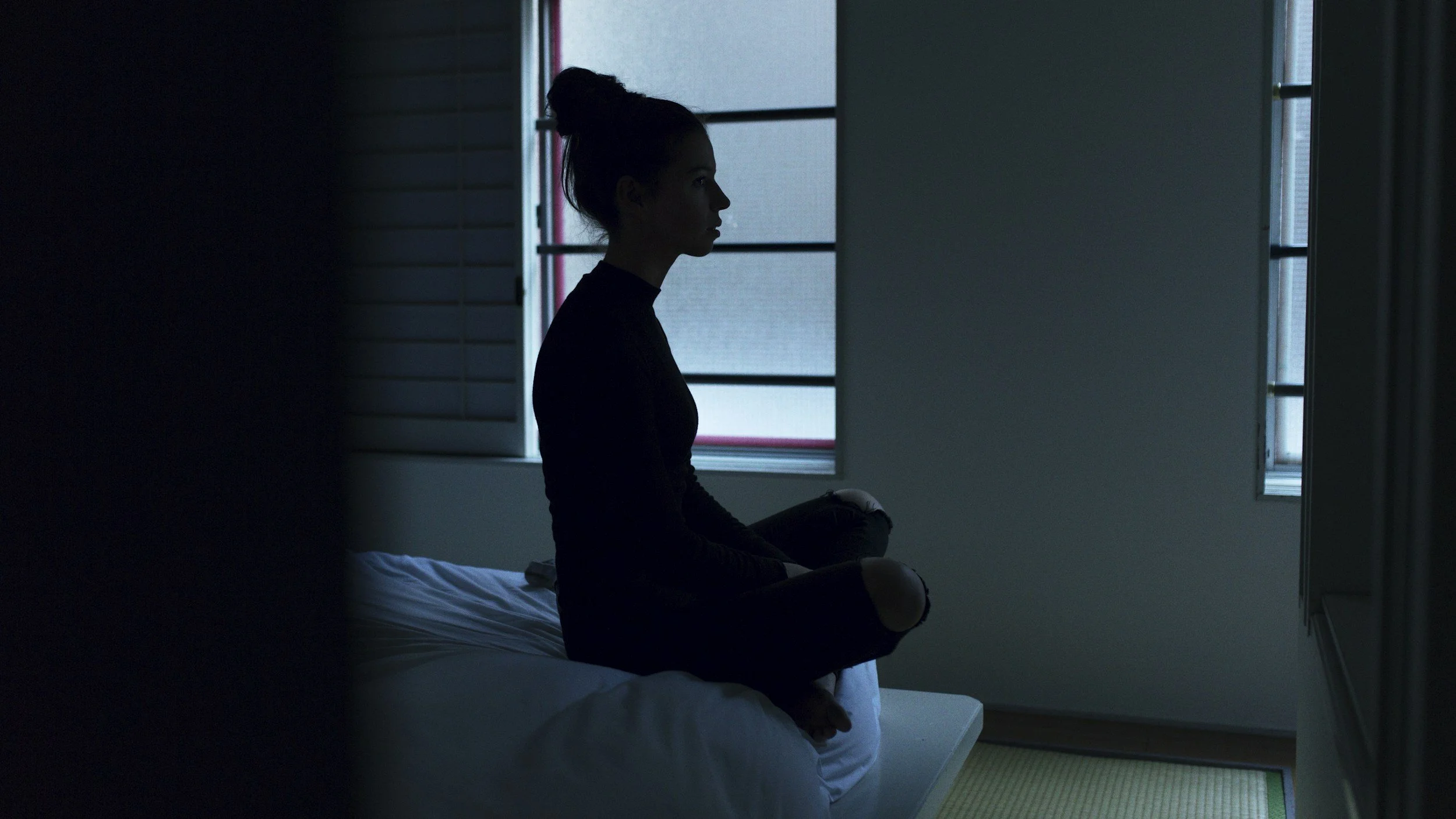
It's a few minutes devoted to intentionally influencing the internal state of the one person who moves through every part of it.
An easy way to invite a calmer internal state is to let your exhale become a little longer than your inhale. Try breathing in gently for four counts and out for five or six, adjusting the rhythm to whatever feels comfortable. No forcing, no breath-holding necessary. (Go ahead, try it now, as you’re reading this.)
I suggest beginning your day with three minutes in the morning, perhaps before you even get out of bed. Sit comfortably, notice the support beneath you, and breathe gently, allowing your exhale to last a little longer than your inhale. Then try it again midday. Yes, even if that means spending three extra minutes in the bathroom stall after lunch. You're not trying to achieve perfect peace; you're offering your body brief, repeated experiences of settling instead of bracing.
Already caught in the rush? Begin right there. When responding to a request, entering a difficult conversation, or picking up a dropped ball, notice what your body is doing: Is your jaw clenched? Are your shoulders lifted? Are you holding your breath? You can release tension and invite your nervous system to relax by taking a couple of intentionally unhurried breaths.
A few times a day, maybe before bed, too. It may sound too small to make a difference, but even brief moments of intentional settling using your breath can have a tremendous impact on how you feel.
The goal is access to a different experience of your life as it is, not yet another standard to meet.
What Becomes Possible When You Can Actually Choose?
You may notice moments of relief almost immediately. And with practice, those moments can begin to change how you move through your days. As the urgency softens, you may discover that your first instinct isn't always your only option.
This is where resentment becomes valuable information. Rather than suppressing it or regulating it out of existence, get curious about what it's revealing. Where are you consistently overriding yourself? What are you agreeing to out of habit rather than choice? Which responsibilities are truly yours, and which became yours because you've always handled them and someone else isn’t pulling their weight?
A more regulated state won't automatically answer those questions, but it may give you room to consider them without immediately reverting to familiar patterns that once helped you feel safe, accepted, or needed.
When You Change Your Part, the Pattern May Change Too
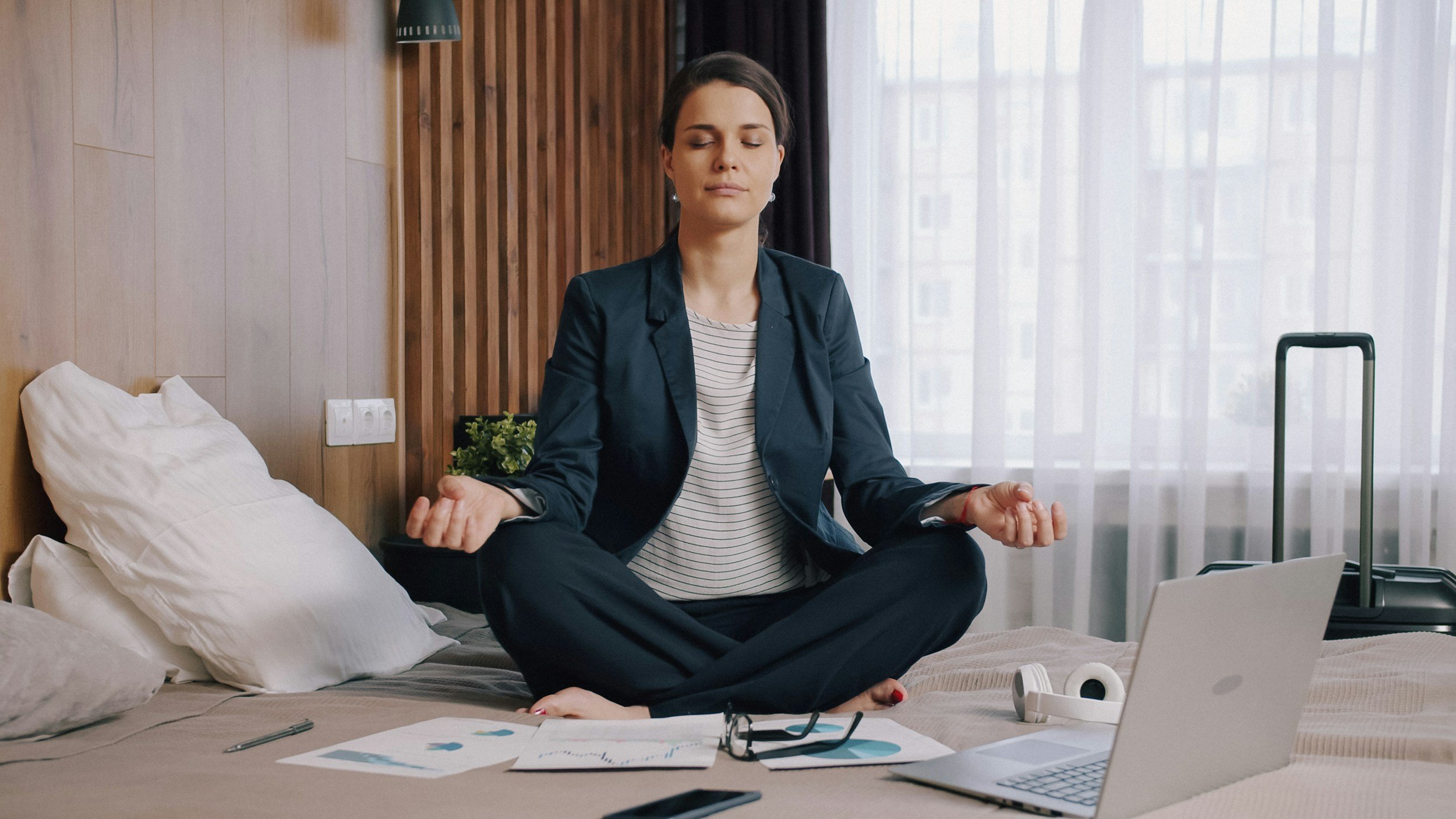
Relationships are dynamic. We influence one another through our expectations, attention, choices, emotional presence and actions or lack thereof. When you stop automatically filling silences, solving inconveniences, or absorbing responsibilities, you're no longer reinforcing the familiar pattern in the same way, which creates the space for something different to emerge.
Perhaps someone else steps forward. Perhaps a conversation unfolds differently because you're responding with clarity rather than accumulated frustration. Or perhaps nothing changes externally, but you no longer experience the interaction quite the same way.
You can't control whether someone else meets you differently. But altering your internal state affects how you participate and creates the possibility of change without undertaking another exhausting campaign to change the circumstances around you. Sometimes, internal spaciousness also reveals that an external arrangement genuinely needs to change. Regulation doesn't make inequity disappear. It may help you recognize it more clearly and decide what you're ready or willing to do about it.
Stop Waiting for Your Life to Make Room for You
Somewhere along the way, many accomplished women have become so skilled at managing their lives that they've lost touch with what makes all that effort feel worthwhile. And the tragedy isn't simply that they're tired. It's that they know they're missing moments they can't recover, all the while waiting for some future version of life in which there's finally enough time, support, or freedom to enjoy what they've created.
You may still need more support. Some expectations may need challenging, responsibilities redistributing, and relationships changing. But you don't have to resolve those questions before you begin reclaiming some of your energy and enjoyment.
When you begin changing the state from which you meet your life, you may find more energy available for noticing what matters, recognizing what serves you, making new choices, and actually enjoying what you've worked so hard to create.
For reclaiming your agency.
Perhaps the most renegade thing you can do, when every part of your life seems to require something from you, is to stop treating your own experience as the thing that's negotiable.
You don't have to know just yet what can give. You can begin reclaiming the life you've been longing for, right in the middle of the one you already have.
Joy becomes an act of resistance when you decide to reclaim your life-force for what you love and want to contribute, and stop spending it pleasing, perfecting, anticipating, managing, and holding everything together. Outgrowing the Capable Woman Trap means turning toward the pain those patterns once helped protect you from, so you can loosen their hold and make more room for freedom, desire, connection, and the life you’ve been longing for.